Musculoskeletal pain can affect nearly every part of daily life. Sore muscles, stiff joints, chronic tension, and discomfort from an old injury can make it harder to work, exercise, sleep, or simply move comfortably.
Massage therapy is one approach that may help people manage certain types of musculoskeletal pain. By working with the body's soft tissues, massage can support relaxation, mobility, and comfort while complementing other forms of care.
Musculoskeletal pain involves the muscles, bones, joints, tendons, ligaments, or other tissues that support movement. It can develop after an injury, repeated physical activity, prolonged sitting, or everyday strain.
Some people experience short-term soreness, while others deal with discomfort that persists for weeks or longer. Common examples include back pain, neck tension, shoulder discomfort, and muscle soreness.
The underlying cause matters when determining how to address pain. A massage therapist can work with a client within their scope of practice, but persistent, severe, or unexplained pain may require evaluation by a qualified medical professional.
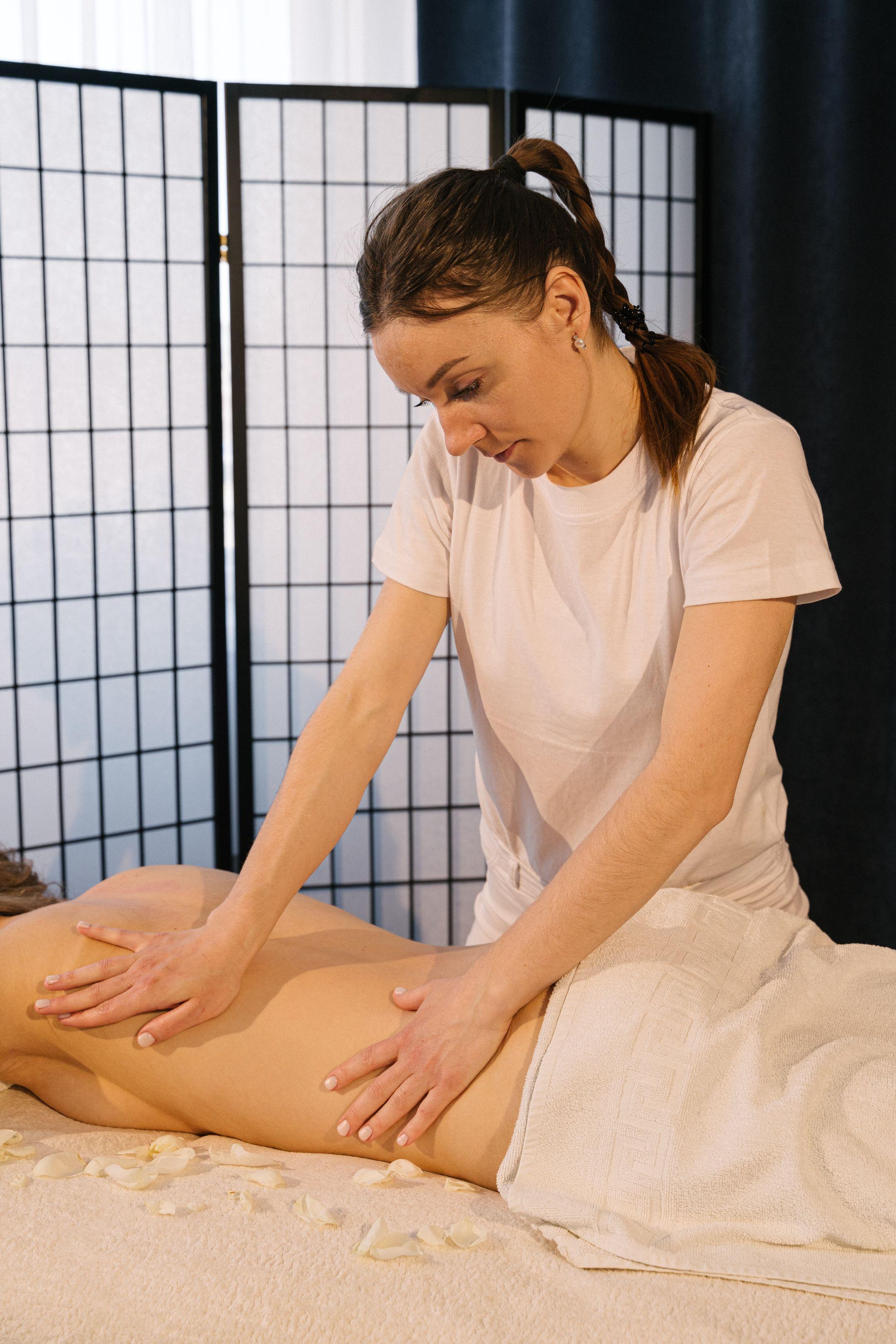
Massage therapy involves manipulating soft tissues using techniques that can vary based on the client's needs. The pressure and approach used during a session may be adjusted depending on areas of tension, comfort, and treatment goals.
Massage may help people become more aware of areas where they hold tension. The experience can also encourage relaxation, which may help people whose discomfort is accompanied by stress or muscle tightness.
For some individuals, massage may support comfort and movement as part of a broader approach to managing musculoskeletal pain. Results can vary depending on the person and the cause of their symptoms.
Muscle tension can develop gradually, especially when certain areas of the body are repeatedly stressed. Sitting at a desk for long periods, repetitive movements, and physical work can all contribute to tight or uncomfortable muscles.
Massage therapy can focus on areas where tension has accumulated. Working with these soft tissues may help clients feel less restricted and more comfortable after a session.
People who regularly experience tension in the neck, shoulders, lower back, or other areas may find massage useful as part of their ongoing self-care routine. A massage therapist can also discuss pressure and positioning to make sessions more comfortable.
Injuries can leave muscles and surrounding tissues feeling sore, tight, or uncomfortable. Massage may support recovery for some people, especially when used alongside an appropriate treatment plan.
Timing matters, especially after an acute injury. Massage isn't appropriate for every injury or every stage of recovery, so clients should follow their healthcare provider's guidance when an injury requires medical care.
Once massage is considered appropriate, treatment can be tailored around the client's current condition and comfort level. Communication during the session is important when working around recently injured areas.
How you sit, stand, and move throughout the day can affect how certain muscles feel. Spending hours at a computer, carrying a bag on one shoulder, or repeatedly performing the same movement can contribute to uneven muscle tension.
Massage doesn't correct posture on its own, but it may help address some of the muscle tightness associated with prolonged positioning. Greater awareness of tension can also encourage people to pay closer attention to how they move and position their bodies.
A broader approach may include movement, stretching, strengthening, ergonomic changes, or guidance from other healthcare professionals when appropriate.
Musculoskeletal discomfort can occur throughout the body. Massage therapists often work with clients who experience tension in areas such as:
The appropriate technique depends on the individual's needs and comfort. A massage therapist should also be informed about relevant injuries, medical conditions, medications, or other factors that could affect treatment.
A massage session generally begins with a conversation about your goals and any areas of concern. Your therapist may ask about discomfort, activity levels, previous injuries, and your preferred pressure.
During the session, your therapist encourages communication. Let your therapist know if the pressure feels uncomfortable or if a particular area needs more attention.
Afterward, some people feel relaxed or notice temporary changes in muscle comfort. Drinking water, resting, and following your therapist's aftercare suggestions may help you feel more comfortable following a session.
Amla Healing Arts offers massage therapy designed to support relaxation, body awareness, and overall well-being. Our approach recognizes that each person's body and experience with tension or discomfort is different, so we tailor sessions to individual needs and preferences.
If you're dealing with recurring muscle tension or musculoskeletal discomfort, our team can discuss your goals and help you determine whether massage therapy may be an appropriate part of your self-care routine. We encourage clients to share relevant health information so we can provide a comfortable and thoughtful experience.
Massage therapy can complement a broader approach to musculoskeletal pain management. It may support relaxation, ease muscle tension, and promote greater comfort for people dealing with everyday strain or certain types of discomfort.
At Amla Healing Arts, we believe wellness care should be personalized. Our team listens to your concerns, understands your goals, and creates a massage experience that fits your needs. Contact us today to learn more about our massage therapy services and schedule a session.
