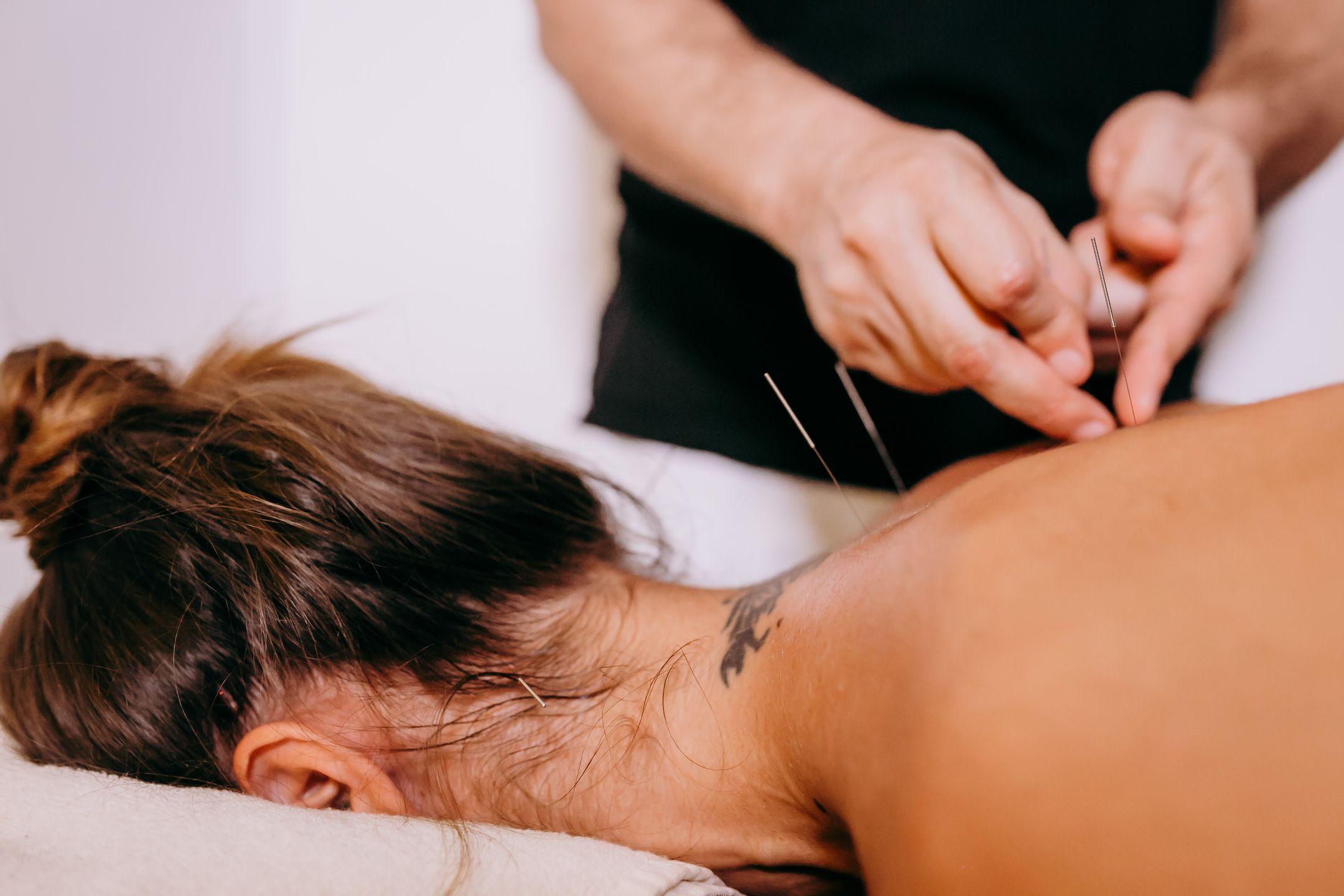
Between the commute into Manhattan, packed schedules, and Route 17 traffic, life in Bergen County can wear you down. Stress can build quietly until it shows up as tight shoulders, restless nights, or a mind that won't slow down. Many people are looking for natural ways to manage it, and acupuncture keeps coming up. So does it actually help?
Acupuncture shows promise, though the science is still developing. Several studies suggest it may ease anxiety symptoms, especially the nerves people feel before surgery or medical procedures. The National Center for Complementary and Integrative Health notes that many of these studies are small, so drawing firm conclusions is hard. It's also generally considered safe when a trained practitioner uses sterile needles.
Plenty of people use acupuncture for everyday stress without any formal anxiety diagnosis. For them, the goal is a reliable way to unwind and feel more balanced from week to week. That kind of steady support can make a real difference over time.
Most first-time patients are surprised by how calm they feel during a session. The needles are hair-thin, and many people barely notice them going in. Once they're placed, you'll rest quietly for 20 to 30 minutes in a dim, peaceful room. For many busy people, it's the only time all week they're truly still.
Your nervous system has two main modes. One is the "fight or flight" response that kicks in under stress, and the other is the "rest and digest" state that helps your body recover. Some researchers think acupuncture may help nudge the body toward that calmer state, possibly by influencing heart rate, breathing, and stress hormones like cortisol. Many patients say they feel lighter, clearer, or more grounded afterward.
Stress doesn't just live in your head. You might notice:
Many people turn to acupuncture once these symptoms start piling up.
Acupuncture works best as one piece of a bigger plan. It isn't meant to replace therapy, medication, or medical care, and anyone dealing with severe or ongoing anxiety should talk with a doctor or mental health professional. It can fit right alongside the other healthy habits you're already building.
A few simple practices can help you get more out of every session:
Many people start with weekly sessions for a month or two, especially during stressful seasons. After that, some switch to a visit every few weeks for maintenance. Consistency tends to matter more than any single visit. Your acupuncturist can suggest a schedule that fits your needs and your budget.
Your first visit usually starts with a conversation about your health, sleep, stress levels, and goals. Your practitioner will choose points based on what you share. Wear loose, comfortable clothing, and try not to come in on an empty stomach. Most people leave feeling relaxed, and some notice they sleep better that night.
If stress has been running the show lately, we'd love to help you find some relief. Our team at Amla Healing Arts will listen to what you're going through and create a treatment plan that fits your life. Book your appointment online or give us a call today. We're here to help you feel more like yourself again.
