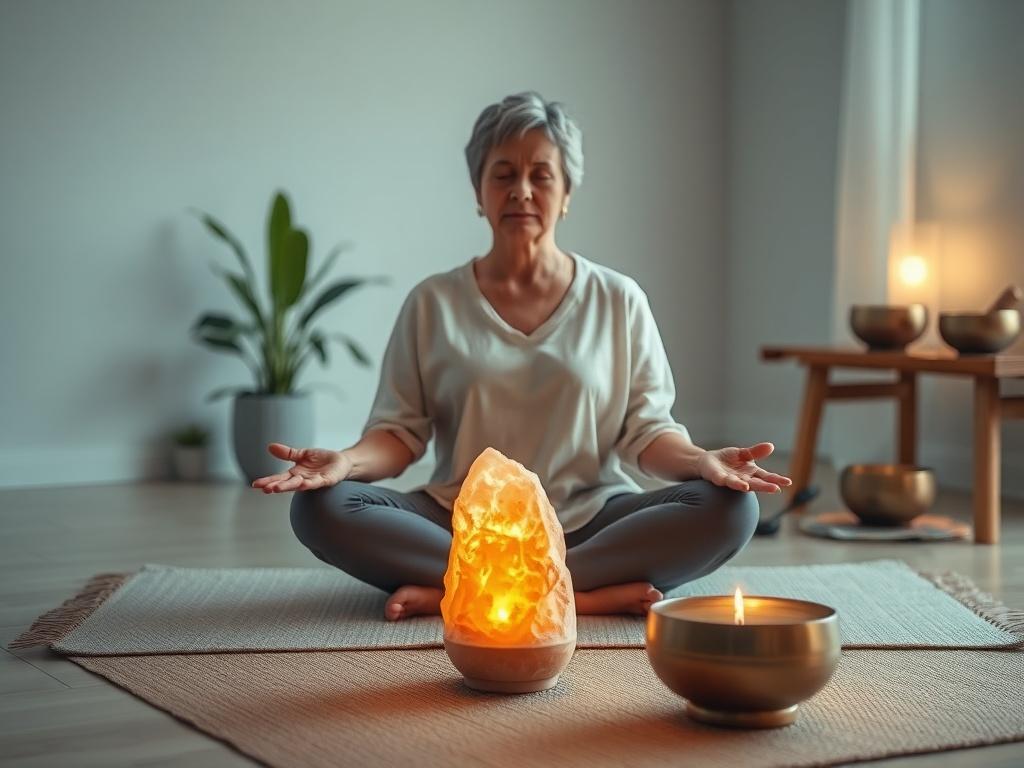
Stress and anxiety have a way of building up quietly until they start affecting sleep, focus, and overall mood. While there are many ways to address these feelings, light and sound therapy has become a popular option for people looking for a gentle, non-invasive way to calm an overactive nervous system. This approach combines visual and auditory elements to help guide the body into a more relaxed state. Here's a closer look at how it works and why so many people are adding it to their wellness routines.
When the body experiences stress, the nervous system shifts into a heightened state of alertness, often described as fight-or-flight mode. Staying in this state for too long can leave people feeling mentally foggy, physically tense, and emotionally drained. Many relaxation-focused therapies, including light and sound therapy, aim to help the nervous system shift back into a calmer, more regulated state. Supporting this natural shift is often the first step toward feeling more grounded day-to-day.
Light and sound therapy uses rhythmic light patterns combined with calming audio, often delivered through specialized devices or guided sessions, to help the brain settle into a more relaxed state. Sessions typically involve gentle pulsing lights paired with tones, music, or binaural sounds designed to encourage relaxation. Many people find the experience similar to meditation, but with sensory cues that help guide the mind rather than relying solely on internal focus. This combination is part of what makes the approach feel accessible even for people who struggle with traditional meditation.
Light therapy uses specific wavelengths or patterns of light to help shift mood and support the body's natural rhythms. For many people, certain light patterns seem to encourage a sense of calm by gently guiding the brain's activity toward a more relaxed state. This isn't about a single magic frequency, but about creating a consistent, soothing visual experience that supports relaxation.
Soft, rhythmic light patterns can give the mind something gentle to focus on, which often helps quiet racing thoughts. Many people describe this as similar to watching a calming visual pattern, but with added benefits tied to the brain's response to light. This kind of focused, low-effort attention can make it easier to let go of mental clutter during a session. Over time, regular sessions may help reinforce a sense of calm that carries beyond the session itself.
Sound therapy works alongside light therapy by introducing tones, music, or rhythmic frequencies meant to encourage relaxation. Certain sounds and rhythms appear to help slow breathing and heart rate, both of which play a role in shifting the body out of a stressed state. This effect is part of why sound-based relaxation techniques have been used across many cultures for centuries, long before modern wellness technology existed. Pairing sound with light may further enhance this calming effect for many people.
Slow, steady rhythms tend to have a more calming effect than fast or unpredictable sounds. Many sound therapy sessions are designed around this principle, using consistent patterns to help the body settle into a steadier rhythm of its own. This predictability can feel especially soothing for people who experience anxiety, since it removes an element of unpredictability from the experience. The goal isn't to overwhelm the senses, but to gently guide them toward calm.
When used together, light and sound therapy may offer a more complete relaxation experience than either approach alone. A few reasons people find this combination particularly effective include:
Many people turn to light and sound therapy as a complementary practice alongside other stress management tools, rather than as a standalone solution. It can be a helpful addition for people dealing with everyday stress, occasional anxiety, or difficulty unwinding after a demanding day. As with any wellness practice, results vary from person to person, and those experiencing significant or ongoing anxiety should also consider speaking with a mental health professional. Light and sound therapy works best as one part of a broader approach to wellbeing.
Stress and anxiety don't have to feel like something you just push through every day. Our team is here to help you explore light and sound therapy as a gentle, supportive way to ease tension and find a deeper sense of calm. We believe relaxation should feel accessible, not complicated or overwhelming. Reach out today and let us help you take the first step toward feeling more at ease.
